Supertech Air Filter Lookup & Engine Oil

Cars run smoothly when clean air reaches the engine and clean oil flows through it. These two things keep your vehicle healthy and strong. Many car owners worry when parts get dirty because it causes power loss, noise, and heat. When filters and oil work together, the engine stays protected for a long time.
Drivers often search for the right filter and oil because every model has different needs. A simple system that guides you makes everything easier. That is why many users look for tools that match parts correctly.
How Air Filters Support Engine Health
Air filters keep dust and dirt away from the engine. When dust enters the intake, it scratches parts and reduces strength. With a clean filter, airflow stays free, and the engine breathes without stress.
Mechanics recommend checking filters after long drives or dusty routes. When a filter gets clogged, the engine needs more effort, which increases fuel use. Replacing them on time prevents heat and rough running.
Why Accurate Filter Matching Matters
Every vehicle has a specific filter size, shape, and material design. If you pick the wrong one, it may not seal properly. That leads to leaks and dirty air entering the system. With a correct match, the engine receives clean air with stable flow.

Wrong filter choices also increase wear. Many drivers face engine vibration and reduced mileage because of incorrect parts. Matching the exact part number avoids these issues completely.
Understanding How Lookup Tools Work
Lookup tools help you search for filters by entering your car model or part number. These tools compare thousands of parts and give the right match instantly. They work like a simple assistant that saves time and prevents wrong purchases.
Users trust lookup systems because they reduce confusion. Instead of guessing the right part, the system shows only the correct options. This way, you replace the filter with confidence.
Engine Oil Basics for Daily Drivers
Oil keeps engine parts cool and slippery. Without it, metal parts rub together and cause heat. Good oil forms a thin layer that prevents damage and noise. Clean oil also washes away tiny dirt particles.
Over time, oil loses strength due to heat and dust. That is why regular oil changes are important. Fresh oil helps the engine run smoothly and silently on all roads.
Choosing the Right Oil Grade
Every car needs a specific oil thickness known as grade. Thin oil flows fast, while thick oil protects better at high heat. Your manual shows the right grade for your model. Choosing the correct grade helps with smooth acceleration.
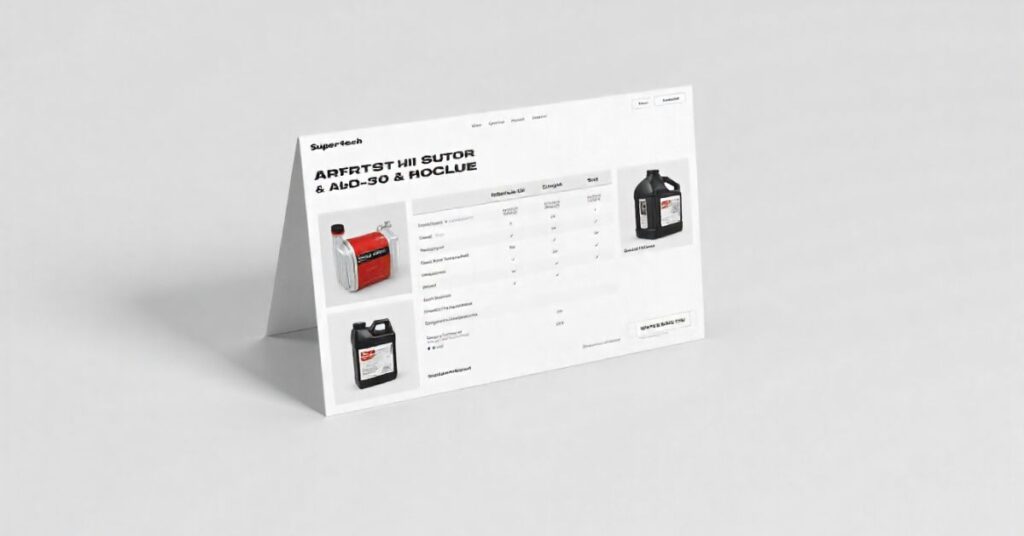
Wrong grade oil can cause hard starts or low engine power. With the right grade, parts move softly even in cold mornings. It also improves fuel efficiency.
Supertech Air Filter Lookup & Engine Oil Benefits in Car Care
Looking for filters and oil together saves time because you handle both tasks in a single check. This makes car care simple and quick. Tools that match filters and guide oil choices allow you to maintain your vehicle without stress.
Drivers feel confident when they use the right match for both parts. It increases the engine’s life and reduces repair costs. Accurate selection protects the engine on long runs.
How Clean Filters Support Oil Quality
Air filters keep dust out of the engine. When dust stays away, the oil stays clean for a longer time. This reduces the need for early oil changes. Clean oil flows smoothly and provides even cooling.
Dirty filters affect the oil by letting extra dust enter the system. This dust mixes with the oil and creates sludge. With clean filters, the oil remains strong and protects all parts effectively.
Three Key Advantages for Regular Maintenance
Two short paragraphs explain why regular checks matter, and the points below highlight the biggest benefits. Checkups prevent sudden breakdowns and make your engine feel light and smooth. Proper care also keeps fuel use low.
When drivers follow simple routines, their engines stay young for years. It avoids repair bills and improves everyday driving comfort.
- Longer engine strength
- Better fuel economy
- Lower repair cost
Signs That Show Filters or Oil Need Replacement
Engines start losing power when filters get blocked. You may notice harder acceleration, noise, or lower fuel mileage. Bad oil gives a burning smell or dark color. These are clear signs that parts need attention.

Ignoring these signs can increase engine wear. Timely replacement makes your car run smooth and fresh. It is better to act early than wait for heavy repairs.
How Climate Impacts Filter and Oil Life
Hot weather thins the oil faster and increases dust around the engine. This reduces the lifespan of both filter and oil. Drivers in hot regions must check parts more often.
Cold weather thickens oil and reduces flow. Engines take more time to warm up. Clean filters help in cold starts, and proper oil grade makes movement smooth.
Simple Steps to Replace Filters and Oil
Replacing a filter takes a few minutes. You open the air box, remove the old filter, and place the new one. Make sure it fits perfectly to avoid leaks.
For oil change, drain the old oil, replace the oil filter, and fill fresh oil. This fresh oil keeps the engine clean and calm during long drives.
Using Tools to Prevent Wrong Purchases
A lookup tool guides you by showing the exact filter made for your vehicle. It also helps you pair it with correct oil recommendations. This avoids mistakes that many new drivers make.
Many users save money by using such tools because they avoid buying mismatched parts. This increases confidence and reduces the chance of engine trouble.
Role of User Manuals in Part Selection
User manuals list exact filter sizes and oil grades. They provide the safest information. Many drivers ignore manuals, but they are the simplest way to avoid confusion.
Reading a manual takes a few minutes, but it prevents costly errors. It also helps you understand service intervals, grades, and part types.
How This Tool Supports Long-Term Engine Life
A simple lookup system ensures your engine gets the correct filter and oil every time. With accurate choices, your engine stays young for many years. Clean air and clean oil reduce stress on internal parts.

This also improves long-term performance. Cars run smoother, stay cooler, and require fewer repairs. With correct selections, your engine remains strong even after long journeys.
Conclusion
Good filters and the right oil keep your engine healthy. When you match them correctly, your car performs better and lasts longer. Clean air improves power, and fresh oil guards against heat and friction. Regular checks prevent most issues.
Simple tools, clear guidance, and consistent care make a big difference. With correct parts, smooth driving becomes easy and safe. When drivers follow proper steps, their engines remain reliable for many years.
FAQs
1. How does a clean air filter help my engine?
It allows clean air to enter the engine so it can run smoothly and use fuel more efficiently.
2. How do I know when my air filter needs changing?
If you see lower power, slow acceleration, or a dirty filter, it’s time to replace it.
3. Why is fresh engine oil important?
Fresh oil keeps parts cool and reduces friction, which protects the engine from damage.
4. Can using the wrong filter or oil harm the engine?
Yes, the wrong parts may not fit or protect properly, which can cause wear and poor performance.
5. How often should I check filters and oil?
Check both during every service visit or after long trips to keep your engine healthy.