What Do Engine Oil Numbers Mean Guide
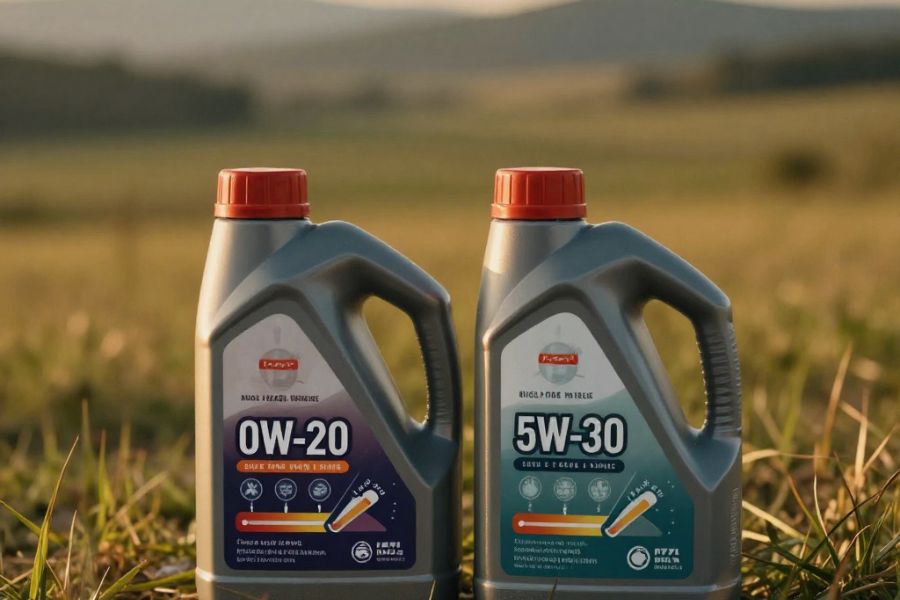
Engines need the right type of oil to stay healthy. The code on the bottle tells how the liquid behaves inside the engine.
Many drivers think the code is hard to read, but it becomes easy once you learn what each number shows.
The system helps people choose the best option for their driving conditions. If someone understands the number pattern, the engine works better, runs smoother, and lasts longer.
Meaning of the Code on the Oil Bottle
A bottle often shows something like 5W-30 or 10W-40. These numbers help explain how thick or thin the liquid stays at cold and hot temperatures. The first number relates to cold weather. The second number relates to hot weather.
The code also helps drivers decide which option fits their engine. When the engine gets too hot or too cold, the oil must work correctly to keep metal parts safe.
SAE Rating System Explained
The letters SAE mean Society of Automotive Engineers. They created a rating system used around the world. This system makes sure every bottle follows the same rules.

These rules help drivers trust what they see on the label. When someone buys 5W-30 from any brand, the behavior stays similar because the rating stays controlled.
Understanding the Winter Number
The number before the W shows how well the liquid flows in cold weather. A smaller number means it moves faster during cold starts. Engines need fast flow because cold metal parts can rub and wear out.
A higher winter number means the mixture becomes thicker in low temperatures. Thick oil makes starting harder and may delay protection during the first few seconds.
Understanding the Hot Weather Number
The number after the W shows how thick the liquid stays when the engine is hot. Engines reach very high heat, so the mixture must stay strong and steady. If it gets too thin, metal parts can grind.
A higher hot rating means better protection during long drives, heavy loads, or high-speed travel. Engines feel safer when the hot number fits their design.
Simple Meaning of Viscosity
Viscosity means how thick or thin something is. Honey has high viscosity. Water has low viscosity. Oil needs a balanced level to protect the engine.
If the mixture becomes too thin, it cannot protect metal parts. If it becomes too thick, the engine must work harder to pump it. Balanced viscosity keeps everything smooth and cool.
Why Modern Engines Use Multi-Grade Options
Multi-grade oils work in hot and cold conditions. They replaced old single-grade oils because modern engines face a wide range of temperatures. This type protects the engine right from the moment it starts.
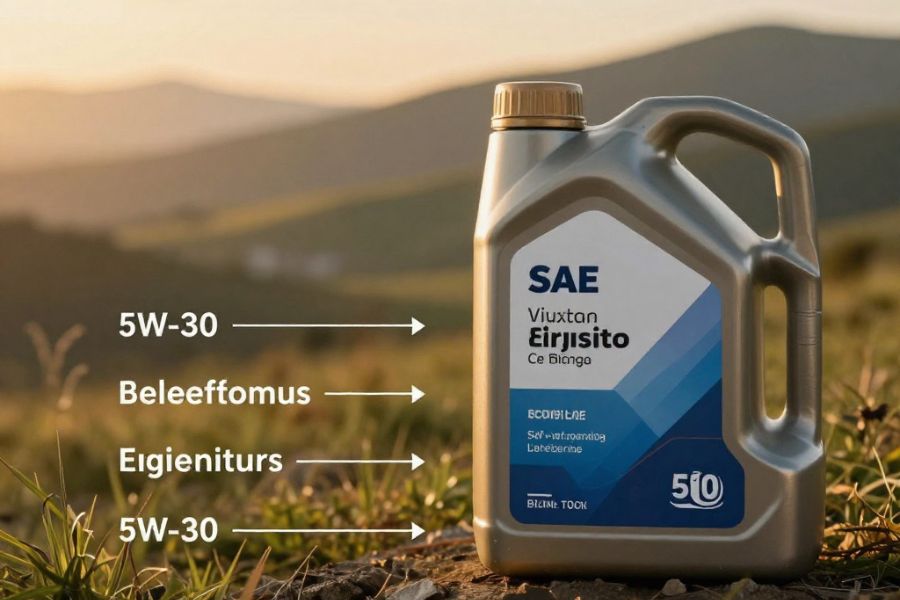
These multi-grade options also help save fuel and reduce engine strain. Drivers prefer them because they suit every season.
How to Read 5W-30
The table below explains the meaning of each part of the 5W-30 code. This makes the details simple for new drivers and easy for students to understand.
| Label Part | What It Means | Cold Behavior | Hot Behavior | Engine Safety | Common Use | Extra Detail |
| 5 | Winter rating | Flows easily in cold | Not related | Good during start | Small and medium cars | Helps smooth ignition |
| W | Winter indicator | Shows cold test | No effect | Neutral | All vehicles | Part of global rule |
| 30 | Hot rating | No effect | Stays thick in heat | Strong | Most engines | Common in modern cars |
| Multi-grade | Works in all seasons | Adjusts to low temp | Adjusts to high temp | Strong protection | Daily vehicles | Helps reduce wear |
| SAE | Rating standard | Global scale | Global scale | Trusted rule | All brands | Makes reading simple |
| Low winter number | Good for winter | Flows fast | No effect | Medium protection | Newer cars | Helps fuel economy |
| High hot number | Good for heat | No effect | Stays strong | High protection | Heavy engines | Useful for long drives |
This table summarizes the code clearly. It helps drivers feel confident about choosing the right option.
How Oil Guards the Engine
Inside an engine, metal parts move very fast. Without protection, these parts heat up and rub against each other. Oil creates a smooth layer between them, keeping the engine safe.
It also carries dirt away from moving parts. Clean oil means less friction, less heat, and longer engine life.
Grades for Different Weather Conditions
Different areas have different climates. Hot regions need a higher hot rating because engines face heat for long periods. Cold regions need a lower winter rating for smooth starts.
Choosing a grade that matches the climate keeps the engine comfortable. It also helps reduce wear and improves driving performance.
Warning Signs of the Wrong Grade
The engine sends clear signals when the wrong grade is used. It may feel heavy or slow. Some drivers hear more tapping sounds after the engine warms up. These signs show the oil cannot handle temperature changes.
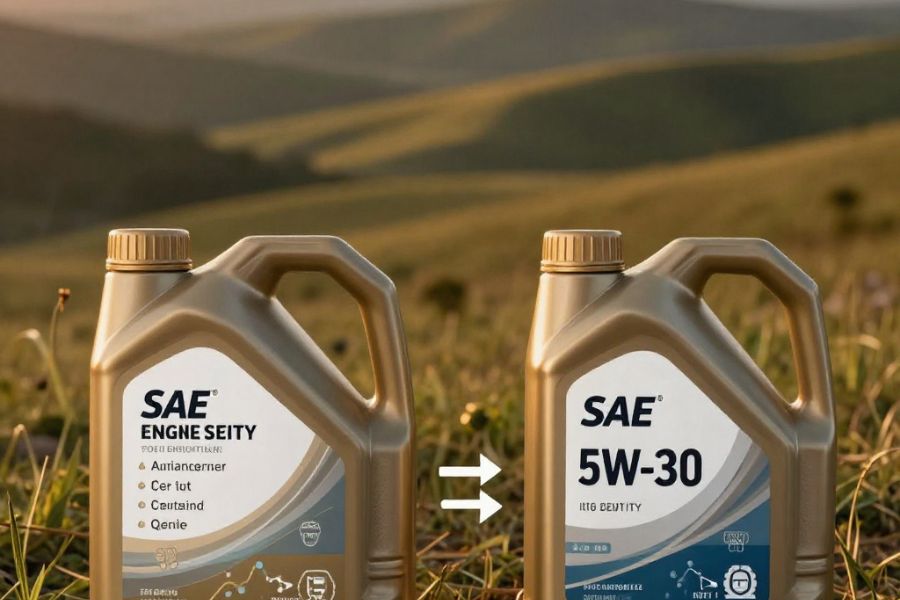
Changing to a better grade often fixes these issues quickly. A correct grade gives smoother idling and better pickup.
Three Quick Tips for Smart Oil Choice
- Pick the grade your vehicle manual suggests.
- Match the grade with your climate.
- Use multi-grade options for better engine comfort.
Why Thickness Plays a Big Role
The thickness of oil decides how well it protects the engine. Thin mixtures move fast but may not give enough shielding. Thick mixtures give safety but move slower.
Engines perform well when the thickness stays balanced. This balance improves fuel use and reduces stress on moving parts.
Engine Design and Oil Choice
Different engines need different behavior from the liquid. High-power engines run hotter and need stronger hot ratings. Small engines must use lighter grades for smooth flow.
Engine design guides the type of oil you choose. It also affects fuel use, heat control, and engine strength.
When You May Switch to Another Grade
Some drivers switch grades during season changes. Cold months may need a lower winter rating. Hot months may need a higher hot rating. This keeps the engine safe all year.
Switching should happen inside the range allowed by the manual. Even small changes can improve driving comfort.
Clear Understanding of the Main Topic
Drivers often ask what engine oil numbers mean, because the label looks confusing at first. The numbering system helps show how the liquid works in all temperatures. This makes it simple to pick the right bottle.
The code also helps all brands follow one global pattern. This pattern stays the same in every country and makes life easier for every driver.
Practical Example for Daily Drivers
Many cars today use 5W-30 or 5W-20. These grades work in most climates and protect the engine well. People who drive in very hot regions may choose 10W-40 or 15W-40.
This simple choice helps avoid engine damage. It also keeps the engine running quietly and smoothly.
How Mechanics Read Oil Codes
Mechanics understand these numbers quickly because they use them every day. They check how the engine reacts at cold start and warm running. This helps them pick a grade that fits the engine design.

They also check driving styles. Slow city driving needs easier flow. Long highway driving needs stronger protection.
Focus Topic Explained for Beginners
The idea behind what engine oil numbers mean is easier than people think. Understanding the cold rating and hot rating explains the whole code. Once someone knows this, they can choose any grade with confidence.
The numbers show how the oil behaves at different temperatures. This helps people protect their engine without guessing.
Conclusion
Oil codes look complex at first, but they make perfect sense once you learn what each number means. A good grade protects the engine, improves fuel use, and keeps the car running smoothly for years. Choosing the right grade also reduces heat and friction inside the engine.
When drivers understand the number system, they maintain their vehicles better. A simple code on the bottle becomes a powerful guide for engine health and long-term performance.
FAQs
1. What do engine oil numbers show?
They show how the oil behaves in cold and hot temperatures. The first number explains cold flow, and the second number explains hot protection.
2. Is lower winter oil better for cold weather?
Yes. A smaller number before the W helps the engine start easily in cold mornings because the oil moves faster.
3. Why does hot rating matter?
The number after the W shows how strong the oil stays when the engine gets very hot. A higher number gives better safety in heat.
4. Can the wrong oil grade harm my engine?
Yes. The engine may make noise, feel heavy, or start slowly. Correcting the grade usually fixes these problems fast.
5. Should I follow the grade mentioned in my car manual?
Yes. The manual gives the safest grade for your engine. It helps the engine stay smooth and healthy in all seasons.