Why Engine Oil Smells Like Gas in Cars
Introduction
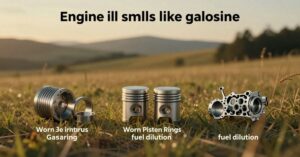
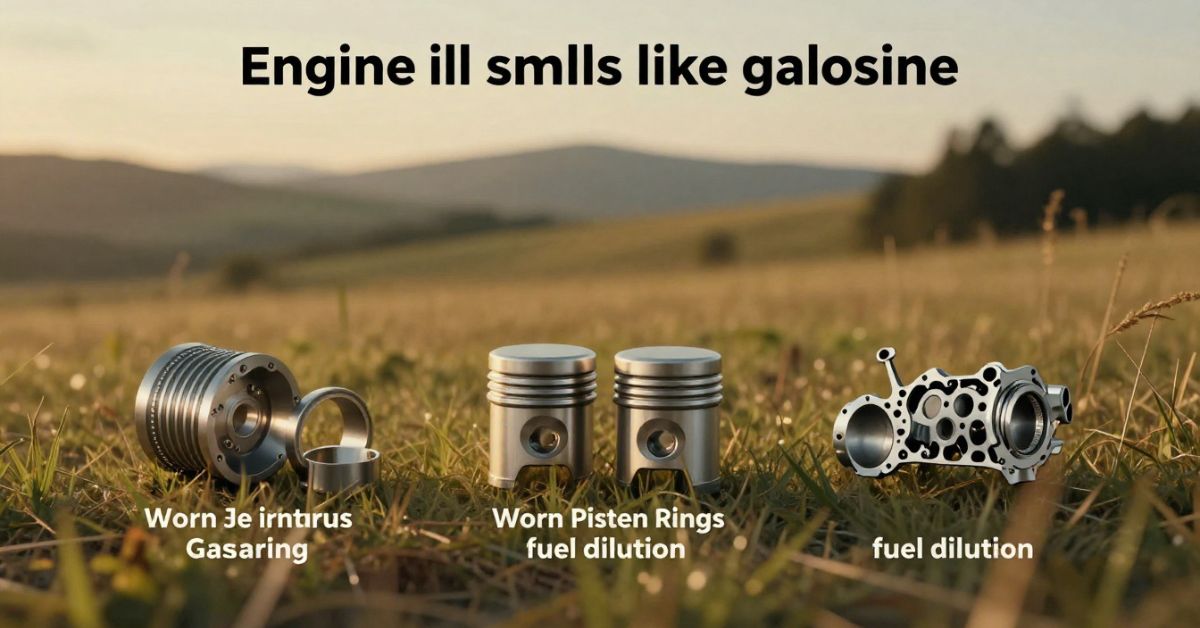
Why Engine Oil Smells Like Gas in Cars is a warning sign that gasoline is entering the engine oil instead of burning completely in the combustion chamber.
This often happens because of leaking fuel injectors, faulty piston rings, frequent short trips, or an overly rich fuel mixture. When fuel mixes with oil, it lowers the oil’s viscosity and reduces its ability to properly lubricate engine parts.
Ignoring this issue can lead to serious engine damage over time. Thinned oil increases friction, accelerates wear, and may cause overheating or poor engine performance.
Identifying the cause early and changing the contaminated oil helps maintain engine health, improve fuel efficiency, and prevent costly repairs.
Why Does My Oil Smell Like Gas?
This issue usually indicates that unburned fuel is mixing with the engine oil instead of being fully burned during combustion. Common reasons include leaking fuel injectors, a rich air–fuel mixture, frequent short trips, or worn piston rings. When the engine does not reach its normal operating temperature, gasoline may not evaporate properly and can contaminate the oil.

Over time, fuel-diluted oil loses its thickness and protective qualities, which increases friction and engine wear. If left unaddressed, this can lead to reduced performance, overheating, and costly repairs. Identifying the cause early and replacing the contaminated oil helps maintain proper lubrication and protects overall engine health.
Faulty Fuel Injectors
are a common reason engine oil begins to smell like gas. When an injector leaks, sticks open, or sprays too much fuel, excess gasoline enters the combustion chamber. This unburned fuel can wash past the piston rings and mix with the engine oil, especially during cold starts or frequent short trips, leading to fuel dilution and a noticeable gas smell in the oil.
If faulty fuel injectors are ignored, the problem can worsen over time. Gasoline-thinned oil loses its ability to lubricate engine components properly, increasing friction and wear. This may cause rough idling, poor fuel economy, and long-term engine damage. Repairing or replacing bad injectors and changing the contaminated oil are essential steps to restore engine performance and protect internal parts.
Using Gas Instead of Oil
It is a serious mistake that can quickly damage your engine because gasoline does not provide lubrication like engine oil. When gas enters the oil system, it thins the oil, reduces protection for internal parts, and increases friction and heat. If this happens, the engine should not be started, as continued operation can lead to severe or permanent engine damage.
- Gasoline lacks proper lubricating properties
- Causes oil thinning and low oil pressure
- Leads to excessive friction and overheating
- Increases risk of engine wear or failure
- Engine must be shut off immediately
- Requires draining contaminated fluid
- Oil filter should be replaced before refilling
- Use only recommended engine oil after cleanup
Infrequent Engine Oil Changes like a GAS
can lead to a buildup of contaminants, sludge, and moisture in the engine oil, which may even cause it to smell like gas over time. Old or degraded oil loses its ability to lubricate, cool, and protect engine components effectively. Fuel that slightly leaks into the oil during normal combustion can mix with this degraded oil, further thinning it and causing odors, reduced performance, and increased wear. Regular oil changes are essential to maintain engine health and prevent long-term damage.
| Issue Caused by Infrequent Oil Changes | Description | Potential Consequences | Preventive Measures |
| Oil Contamination | Fuel, dirt, and debris accumulate in old oil | Thinner oil, poor lubrication | Change oil regularly as per manufacturer schedule |
| Sludge Build-Up | Oil oxidizes and forms thick sludge | Clogged passages, reduced oil flow | Use high-quality oil and timely changes |
| Reduced Lubrication | Old oil loses viscosity and protective properties | Increased friction, engine wear | Follow recommended oil change intervals |
| Engine Overheating | Contaminated oil cannot cool engine effectively | Overheating, potential engine failure | Maintain proper oil level and regular changes |
| Fuel Odor in Oil | Gasoline mixes more easily with degraded oil | Oil smells like gas, reduced performance | Inspect oil regularly, replace if odor is present |
| Corrosion and Rust | Moisture and acids build up in old oil | Engine corrosion, part damage | Use oil with anti-corrosion additives, change regularly |
| Poor Engine Performance | Thinned or dirty oil affects efficiency | Rough idling, reduced fuel economy | Regular oil maintenance, monitor engine health |
| Expensive Repairs | Long-term neglect leads to serious engine damage | Engine rebuild or replacement | Preventive maintenance and timely oil changes |
Symptoms of Engine Oil and Gas Mixing
Are often noticeable if your engine oil has been contaminated with gasoline. One of the first signs is a strong gasoline smell from the engine oil, which becomes apparent during oil checks or when opening the oil cap. The oil may also appear thinner, darker, or more diluted than normal, losing its usual viscosity and ability to lubricate engine parts properly. Some drivers may notice smoke from the exhaust or a fuel odor inside the cabin, indicating fuel is not being fully burned and is mixing with the oil.
Other symptoms include poor engine performance, such as rough idling, decreased fuel efficiency, and sluggish acceleration. In some cases, the check engine light may turn on due to misfires or fuel system irregularities. If left unaddressed, this issue can cause increased engine wear, overheating, or even engine failure. Early detection and prompt action like inspecting the fuel system and changing contaminated oil are essential to prevent costly repairs and maintain engine longevity.
How to Fix Engine Oil Smell like a Gas
starts with identifying the root cause of the problem. If gasoline has contaminated the oil, the first step is to change the engine oil and replace the oil filter. Inspecting the fuel system, injectors, and piston rings can help find leaks or faults that may be causing fuel to mix with the oil. Regular maintenance and using high-quality oil can prevent the issue from recurring.
Additionally, addressing any engine performance problems such as rough idling or misfires is important. Ensuring the engine reaches normal operating temperature during drives helps burn off excess fuel and reduces odor. Following these steps keeps the engine running efficiently, protects internal components, and eliminates the persistent gasoline smell from the oil.
Is it Safe to Drive If You Smell Gas in Your Engine Oil?
Smelling gasoline in your engine oil is a serious warning that should not be ignored. Driving in this condition can worsen engine damage and lead to costly repairs. Here are the key points to consider:
- No, it is not safe to continue driving with gas-contaminated oil
- Gasoline thins the oil, reducing lubrication and protection
- Increased friction and heat can cause engine wear or failure
- May trigger overheating or low oil pressure warnings
- Can lead to long-term engine damage if ignored
- Stop driving immediately and inspect the fuel and oil system
- Change the oil and oil filter before using the car again
- Repair any fuel system leaks to prevent recurrence
Taking immediate action helps protect your engine and prevents more serious mechanical problems.
Final Thoughts
Gasoline in engine oil is a serious issue that can damage your engine if ignored. Always identify the cause, replace contaminated oil, and fix any fuel system problems. Regular maintenance and timely oil changes help keep your engine safe, efficient, and long-lasting.
Conclusion
A gasoline smell in your engine oil is a clear sign of fuel contamination that can harm your engine. Promptly diagnosing the cause, changing the oil and filter, and repairing any fuel system issues are essential to prevent damage. Regular maintenance and careful monitoring ensure your engine stays healthy, efficient, and reliable.
FAQs
1. Why does my engine oil smell like gas?
Fuel leaks, faulty injectors, or short trips can cause gasoline to mix with oil.
2. Is it safe to drive if my oil smells like gas?
No, it reduces lubrication and can damage the engine; stop driving immediately.
3. Can faulty fuel injectors cause oil to smell like gas?
Yes, leaking or stuck injectors can allow fuel to mix with the oil.
4. How can I fix oil that smells like gas?
Replace the oil and filter, and repair any fuel system issues.
5. How often should I change my oil to prevent fuel contamination?
Follow manufacturer recommendations to maintain proper lubrication and prevent problems.