Best Honda Engine Oil Filter for Your Car
Introduction
A clean oil system keeps an engine calm, cool, and reliable. Fresh lubrication flows freely, parts move smoothly, and heat stays under control. Because of that, choosing the right filtration part matters more than many drivers think.
This guide explains everything a car owner needs to know, using clear words and simple ideas. It covers purpose, design, choice, care, and mistakes so even a young student can understand the topic with ease.
What Is an Engine Oil Filter
This component traps dirt, metal bits, and carbon waste before they spread through the motor. As oil moves, the filter holds harmful particles and lets clean fluid pass back into moving parts.
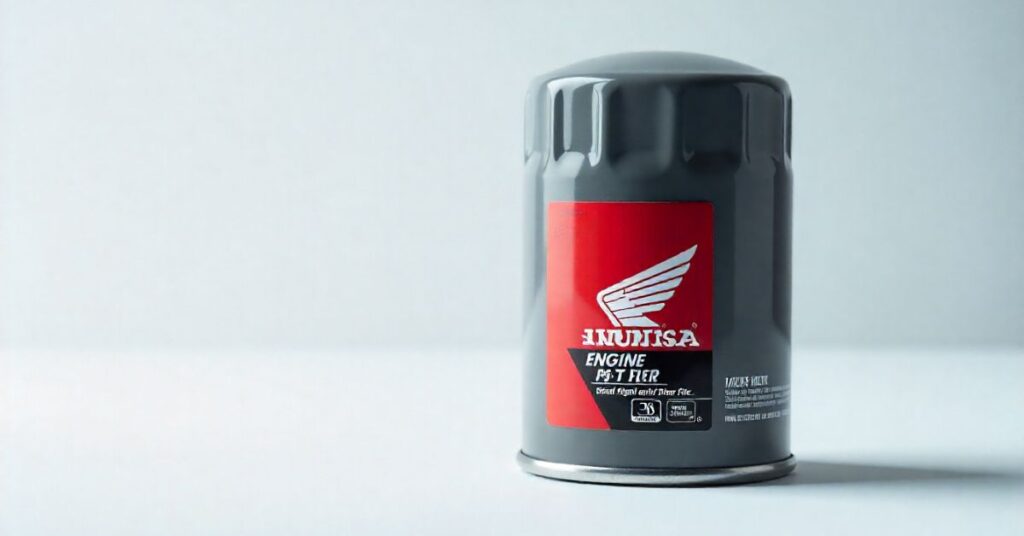
Without this barrier, grime builds fast and causes wear. Over time, that damage lowers power, raises heat, and shortens engine life.
Why Filtration Matters for Honda Engines
Honda engines rely on tight tolerances and smooth motion. Clean oil protects small passages and sensitive parts that help these motors run quietly and efficiently.
Good filtration also supports fuel savings and steady performance. When oil stays clean, the engine works less and lasts longer.
Honda Engine Oil Filter Overview
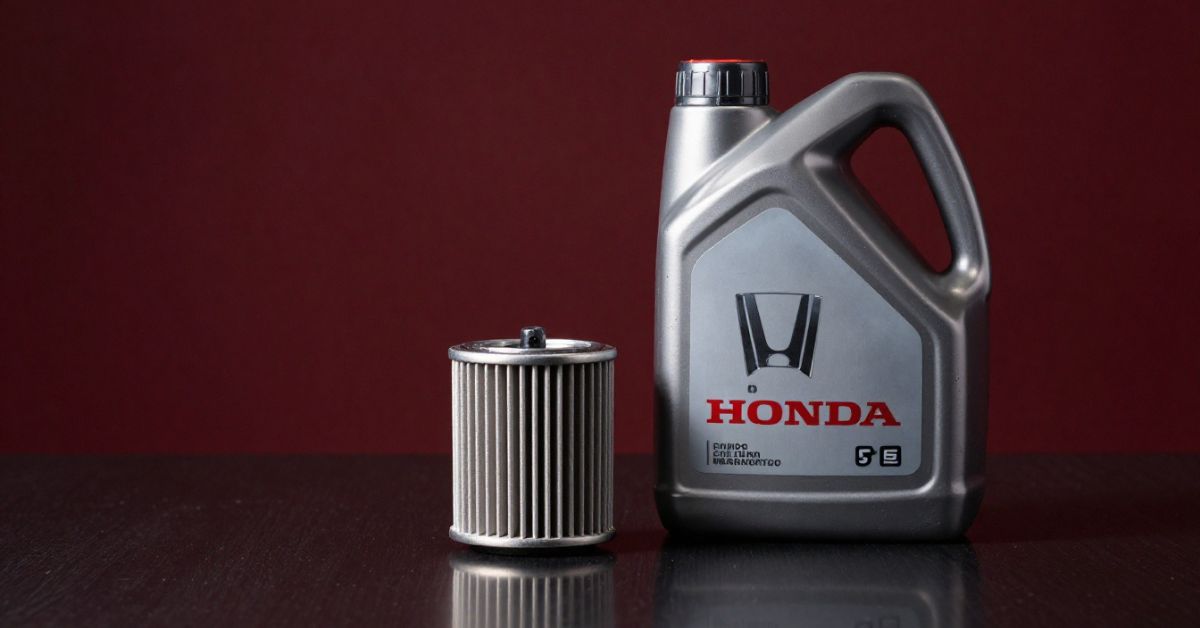
The honda engine oil filter is designed to match factory oil flow needs. It balances pressure, traps fine debris, and fits the engine housing without strain.
Because engineers tune it for specific models, it supports stable lubrication during cold starts and long drives alike.
How the Filter Works Inside the Engine
Oil leaves the pan and moves toward the pump. Next, it enters the filter where layers catch dirt while allowing smooth flow.
After cleaning, oil returns to bearings, pistons, and cams. This cycle repeats many times each minute while the engine runs.
Types of Oil Filters Used in Honda Cars
Spin-on units screw directly onto the engine block and are common in many models. They offer quick replacement and solid sealing.
Cartridge styles sit inside a housing and reduce metal waste. Both types work well when matched to the correct engine.
OEM vs Aftermarket Oil Filters
Original equipment parts meet factory standards for flow rate and material strength. They focus on long-term safety and perfect fit.
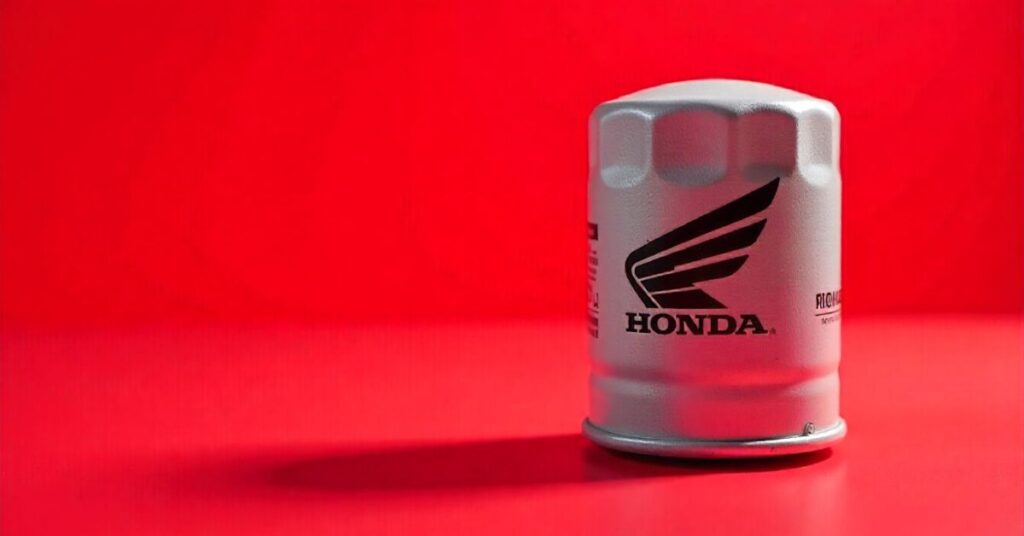
Aftermarket options vary widely in quality. Some perform well, while others use weaker media that clogs early or leaks.
Key Materials Used in Filter Construction
Filter media often uses blended fiber or synthetic layers to trap fine particles. Better media holds more dirt without blocking flow.
The outer shell, seal ring, and valve also matter. Strong steel and firm rubber prevent leaks under pressure.
Signs Your Oil Filter Needs Replacement
Dirty oil, ticking sounds, and warning lights can point to a clogged unit. Reduced power may also appear during acceleration.
Ignoring these signs risks oil starvation. That problem causes fast wear and costly repairs.
Oil Filter Replacement Interval
Most experts suggest changing the filter during every oil service. Fresh oil works best with a clean trap system.
Short trips and dusty roads may require earlier changes. Regular checks help avoid surprise issues.
Compatibility with Different Honda Models
Each model uses a specific size and thread pattern. Sedans, SUVs, and hybrids may need different designs.
Checking the owner manual ensures proper match. The correct fit avoids leaks and pressure loss.
Comparison Table of Filter Features
| Feature | Basic Filter | Premium Filter | OEM Grade |
| Dirt Holding Capacity | Low | Medium | High |
| Media Quality | Paper fiber | Synthetic blend | Advanced synthetic |
| Pressure Stability | Fair | Good | Excellent |
| Anti-Drain Valve | Optional | Standard | Standard |
| Service Life | Short | Moderate | Long |
| Leak Resistance | Average | Strong | Very strong |
| Engine Protection Level | Basic | Enhanced | Maximum |
| Price Range | Low | Medium | Medium to high |
How to Choose the Right Filter
Start by checking model year and engine size. This step narrows options quickly and avoids mistakes.
Next, review build quality and brand trust. A well-made unit protects better and lasts longer.
Installation Tips for Best Results
Always oil the rubber seal before fitting. This step helps the filter seat properly and prevents leaks.

Tighten by hand to the recommended level. Over-tightening damages threads and seals.
Common Mistakes Car Owners Make
Some drivers skip filter changes to save money. That habit often leads to engine damage later.
Others choose cheap parts without checking the quality. Poor filtration harms performance and reliability.
Impact on Engine Performance and Life
Clean oil flow keeps parts cool and reduces friction. As a result, the engine runs smoother and quieter.
Long-term use of a quality unit lowers wear. This protection adds years to engine service life.
Maintenance Tips for Long-Term Safety
Check oil color and level every few weeks. Early detection of dirt helps prevent damage.
Use proper oil grade and timely service. Together, these habits keep the motor healthy.
Cost vs Value Consideration
A slightly higher price often brings better materials and stronger seals. That value outweighs short-term savings.
Spending wisely on filtration reduces repair costs later. Prevention always costs less than fixes.
Environmental Benefits of Proper Filtration
Efficient filters reduce waste oil contamination. Cleaner oil lasts longer and needs fewer changes.
Cartridge designs also cut metal waste. This choice supports a cleaner environment.
Buying Tips for First-Time Owners
Stick to trusted sellers and clear labeling. Authentic parts ensure safe operation.
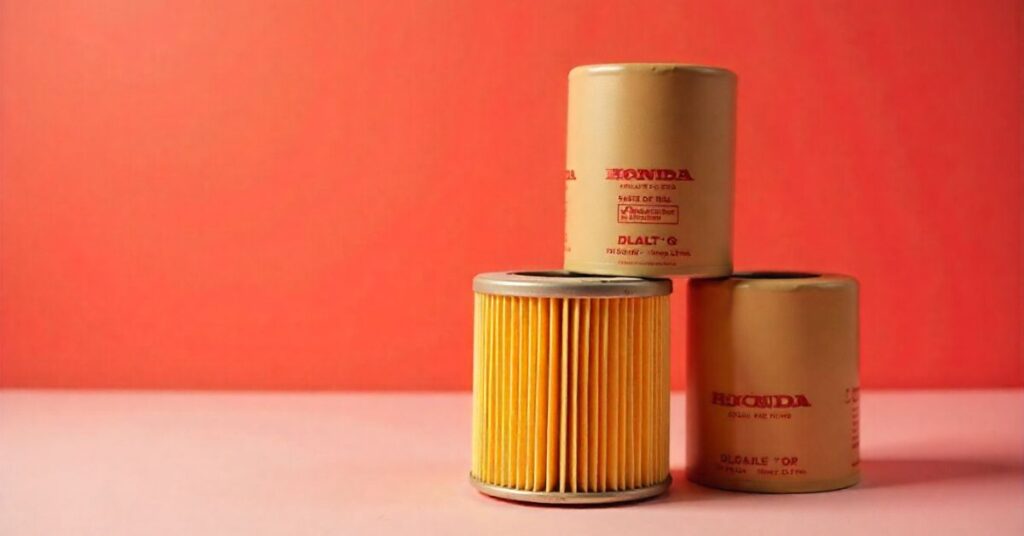
Avoid unknown brands with no testing proof. Quality assurance matters for engine safety.
Final Thoughts
A reliable filter protects the heart of the car every time the engine runs. Smart selection, timely changes, and proper fitting make a clear difference.
Choosing the honda engine oil filter with care supports smooth driving, lower wear, and long engine life. When maintenance stays simple and regular, the vehicle rewards the owner with dependable performance.
Conclusion
Oil cleanliness decides engine health more than many drivers realize. A strong filtration system guards every moving part from harm.
By understanding design, timing, and selection, owners keep their cars running well for years. The honda engine oil filter plays a quiet yet powerful role in that success.
FAQs
1. How often should an oil filter be replaced?
Most experts recommend replacing it every time you change the engine oil for best protection.
2. Can a bad oil filter damage the engine?
Yes, a clogged or weak filter can block oil flow and cause serious engine wear.
3. Is it safe to use aftermarket oil filters?
Some aftermarket options work well, but quality varies, so choosing a trusted brand is important.
4. What happens if I drive with a clogged filter?
Dirty oil circulates through the engine, increasing heat, friction, and long-term damage.
5. Does filter quality affect engine performance?
Yes, better filtration keeps oil clean, which helps the engine run smoother and last longer.