How to Stop Engine From Burning Oil Fast
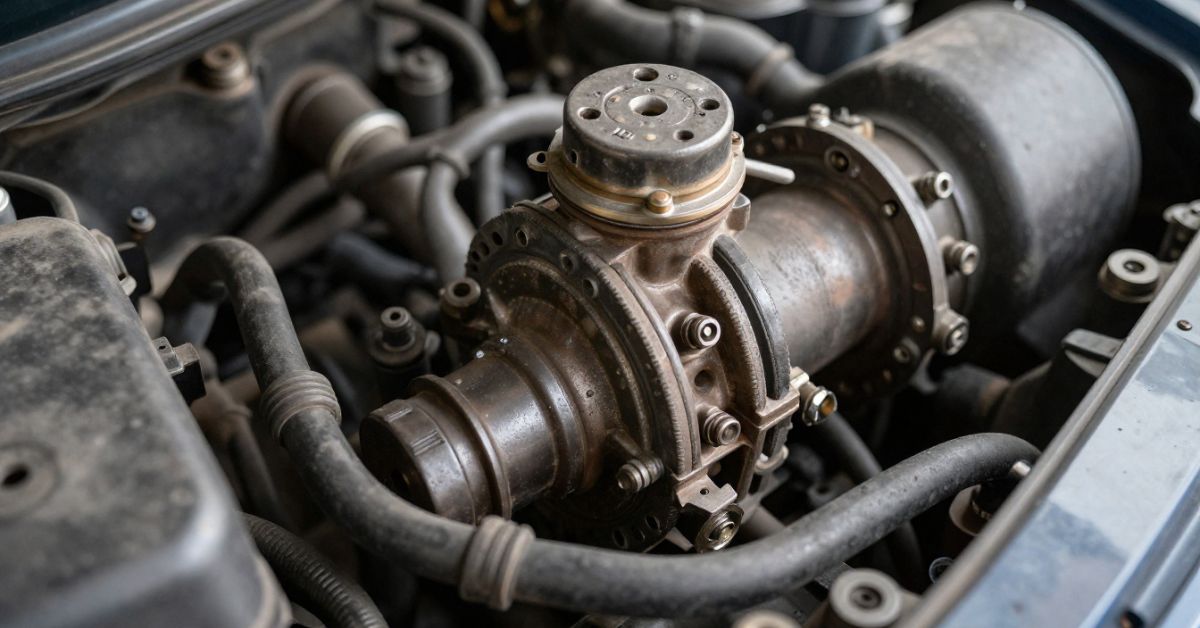
Engine oil burning is a common problem that many drivers face as vehicles age. When oil burns inside the engine, it reduces performance, increases smoke, and raises maintenance costs. Understanding the causes and learning how to stop an engine from burning oil helps protect engine parts, improve efficiency, and extend the life of your vehicle without unnecessary repairs.
What Engine Oil Burning Means
Engine oil burning happens when lubricant enters areas where it should not go. Instead of staying inside sealed engine parts, the fluid reaches hot zones and burns with fuel. This process slowly reduces oil level and affects smooth running.
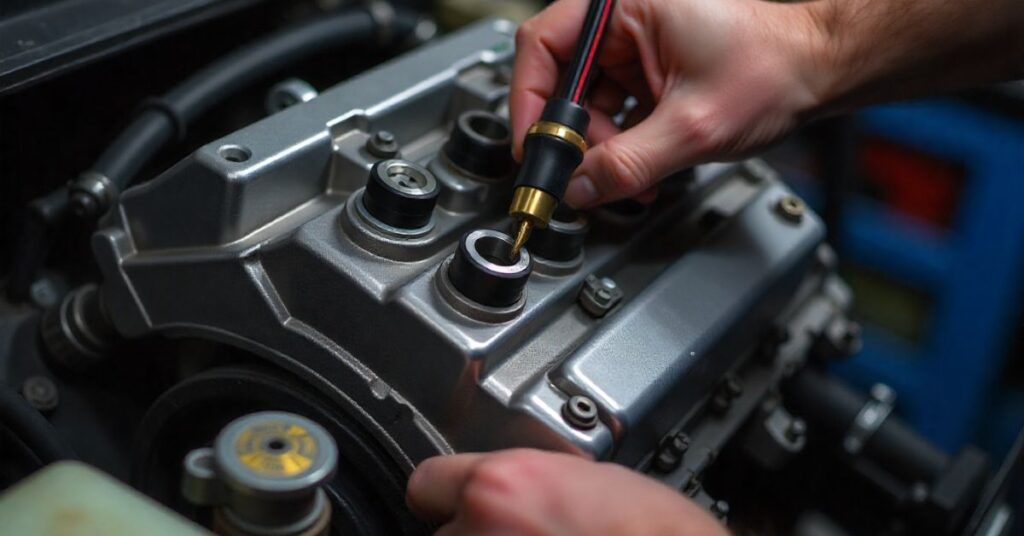
Many drivers notice this problem through smoke, low oil alerts, or rough movement. When ignored, it increases wear and shortens engine life. Early understanding helps prevent expensive fixes later.
Common Signs You Should Not Ignore
Blue or gray smoke from the exhaust often signals internal oil loss. The smell may feel sharp, and oil level drops faster than usual even without visible leaks.
Another clear sign includes dirty spark plugs and reduced fuel efficiency. These warnings appear early, so quick attention protects important engine parts from damage.
Main Reasons Engines Consume Oil
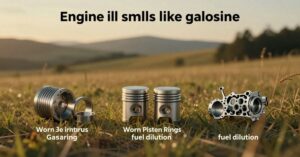
Worn piston rings allow oil to slip into the combustion chamber. Once there, heat burns it during driving, which causes smoke and faster oil loss.
Valve seals also fail over time due to heat and age. When seals weaken, oil drips into cylinders during rest periods and burns at startup.
Driving Habits That Increase Oil Loss
Aggressive acceleration raises pressure inside the engine. This pressure pushes oil past weak seals and worn parts more often than normal driving.
Long idle periods also harm oil control. The engine burns oil slowly while sitting, especially when parts already show age-related wear.
How to Stop Engine From Burning Oil Fast
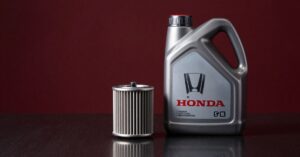
The first step is switching to the correct oil grade recommended by the manufacturer. Thicker oil may reduce burning by sealing gaps more effectively in older engines.
The second solution involves fixing worn internal parts before damage spreads. Addressing the issue early is the best way to stop engine from burning oil fast and maintain stable performance.
Correct Oil Type and Viscosity Choice
Using low-quality oil increases evaporation under heat. High-grade oil resists breakdown and keeps lubrication steady during long drives.
Always match viscosity with climate and engine age. A balanced thickness improves sealing and reduces oil slipping into hot combustion areas.
Role of Engine Additives
Additives help condition rubber seals and improve lubrication. They reduce friction and slow internal wear when used properly.
However, additives should support maintenance, not replace repairs. Proper use may reduce oil usage temporarily in mild cases.
Long-Term Mechanical Solutions
Replacing valve seals restores oil control inside cylinders. This repair prevents oil entry during engine rest periods and cold starts.
Piston ring service solves deeper oil loss problems. Though costly, it restores compression and protects the engine for many years.
Maintenance Schedule That Prevents Oil Burning
Regular oil changes remove sludge and carbon buildup. Clean oil flows better and protects seals from hardening early.
Timely filter replacement also matters. A clean filter ensures smooth oil circulation and consistent pressure inside the engine.
Diagnostic Comparison Table
Below is a detailed table explaining causes, symptoms, and solutions for oil burning problems.
| Cause Type | Visible Symptom | Oil Loss Speed | Repair Difficulty | Recommended Fix |
| Worn piston rings | Blue exhaust smoke | Very fast | High | Ring replacement |
| Valve seal damage | Smoke at startup | Medium | Medium | Seal replacement |
| Wrong oil grade | No leaks, low level | Slow | Low | Correct oil change |
| Poor driving habits | Increased smoke | Medium | Low | Driving adjustment |
| Clogged PCV valve | Rough idle | Medium | Low | Valve cleaning |
| Old engine age | Frequent top-ups | Fast | High | Full inspection |
| Overheating | Burnt smell | Fast | Medium | Cooling system fix |
PCV Valve Impact on Oil Control
The PCV valve controls internal pressure. When clogged, pressure builds and pushes oil into unwanted areas.
Cleaning or replacing this small part improves airflow. This simple fix often reduces oil consumption quickly.
Cooling System Importance
High engine temperature weakens seals and oil quality. Overheating speeds up oil burning and part failure.
A healthy cooling system keeps oil stable. Cool engines protect gaskets and extend overall engine life.
When to Seek Professional Help
If oil loss continues after basic fixes, expert inspection becomes necessary. Mechanics test compression and inspect internal wear accurately.
Delaying professional help increases damage risk. Early diagnosis saves money and prevents complete engine failure.
Final Prevention Tips
Gentle driving preserves seals and rings longer. Smooth acceleration reduces internal pressure and oil escape.
Regular inspections also help detect early wear. Prevention remains the most effective way to control oil usage.
Conclusion
Oil burning affects performance, efficiency, and engine life. Understanding causes and acting early prevents costly repairs.
Smart maintenance, correct oil choice, and timely repairs keep engines healthy. With proper care, you can successfully manage and reduce oil consumption.
Here are 5 simple FAQs, written in easy language, with short 1–2 line answers:
FAQs
1. Why does my engine burn oil but show no leaks?
Oil can enter the combustion chamber through worn rings or seals and burn without leaving external leaks.
2. Can wrong oil type cause oil burning?
Yes, using incorrect viscosity allows oil to pass weak seals and burn faster inside the engine.
3. Is oil burning dangerous for the engine?
Yes, it increases wear, lowers performance, and may cause long-term engine damage if ignored.
4. Do oil additives really help reduce oil burning?
Additives may help in mild cases by improving seal condition, but they do not fix major wear.
5. How often should I check oil level if my engine burns oil?
You should check oil level every week to avoid running the engine with low lubrication.