Can You See Diesel Oil in a Gas Engine Guide Now
Many drivers accidentally use the wrong engine oil because diesel oil and gasoline oil look almost the same. This simple mix-up makes people wonder if they can actually identify diesel oil inside a gas engine. When this mistake happens, drivers quickly want to know how the engine reacts and what signs appear first.
This guide explains the difference between both oils in clear and easy language. You will understand how the engine behaves when the wrong oil is used, what symptoms show up, and how you can fix the problem safely. Every detail is simple enough for anyone to understand, so you can protect your engine and avoid this mistake in the future.
Understanding Why People Mix Diesel Oil and Gasoline Oil
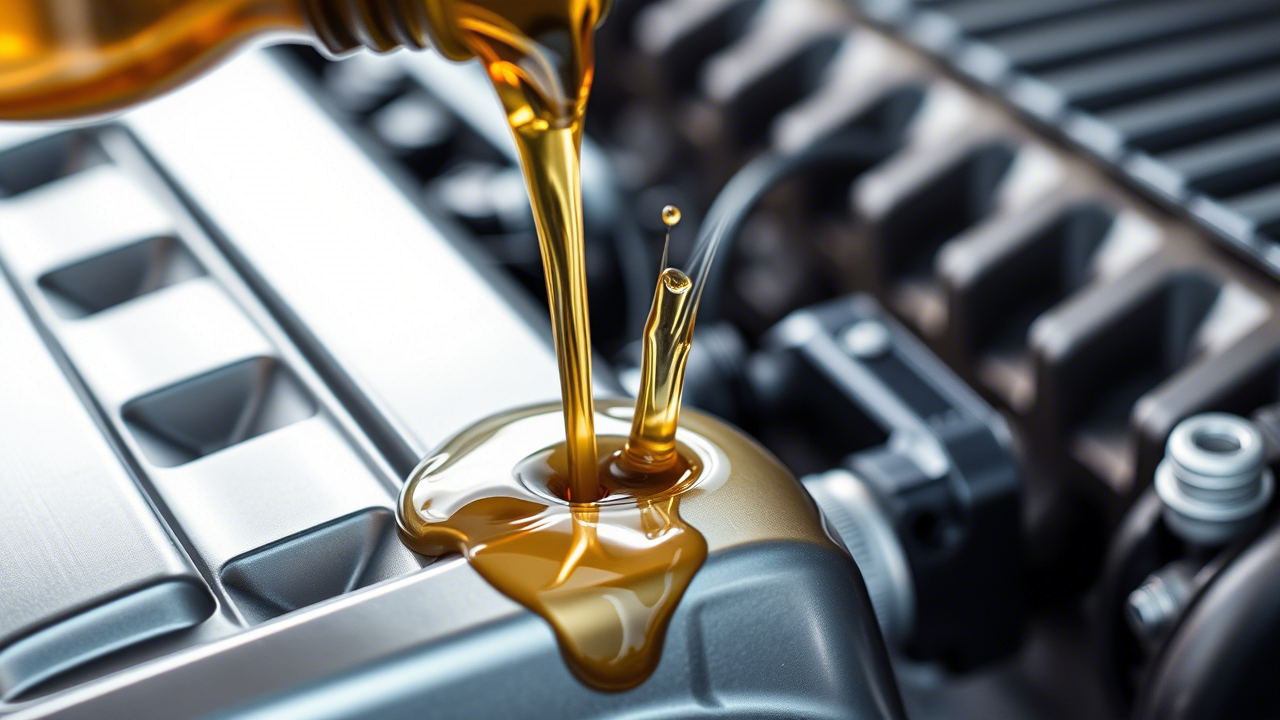
Many drivers use the wrong oil because both oils look similar when fresh. They have the same golden or amber color, so it becomes confusing for someone who has never handled motor oil before. This simple mistake happens more often than people think.
Most cars today need fast-moving thin oil, but diesel motors need slow-moving thick oil. When someone pours the wrong type, the engine does not behave as it should. This is why learning the basic difference protects your vehicle from long-term harm.
Can You See Diesel Oil in a Gas Engine: Simple Explanation
Drivers often ask this because they expect diesel oil to look different. In reality, you cannot easily tell the difference by sight. Both oils appear very similar until they age inside the engine. So many people rely on symptoms instead of looks.
You may understand the difference only when the engine begins to act strangely. This happens because diesel oil is thicker and moves slowly in a gas motor. That slow movement changes how the parts work together.
How Gas Engine Oil and Diesel Engine Oil Differ
Gas motor oil is thin and moves fast to protect small metal parts. It flows quickly through the engine, keeps heat low, and reduces friction. This smooth movement helps the motor run softly without too much effort.
Diesel motor oil handles higher pressure and stronger heat. It cleans heavy soot, holds dirt longer, and protects powerful engines. Because of this strong design, it becomes too thick for gas motors.
Early Signs You Used the Wrong Oil
One early sign is a rough sound from the motor. You may hear knocking, tapping, or unusual vibration. This sound appears because thick oil cannot travel fast through small oil passages.

Another sign is slow acceleration. The car may take more time to respond when you press the pedal. This happens because thick oil sticks to engine parts and slows their movement.
What You Notice While Driving
You may also feel the engine runs heavier than normal. This heavy sensation grows because thick oil forces the motor to work harder. It is one of the most common symptoms of wrong oil use.
The car may also get hot quicker. Heat rises because the oil cannot remove warmth fast enough. This makes long drives risky for the engine’s health.
Technical Differences Between These Two Oils
Below is a long comparison table that explains how both oils behave and why mixing them causes issues.
| Feature | Gas Engine Oil | Diesel Engine Oil | What Happens in a Gas Engine |
| Thickness | Thin | Thick | Slow oil movement |
| Flow Speed | Fast | Slow | Delayed lubrication |
| Heat Control | Medium | High | Overheating risk |
| Additives | Light | Strong | Additive mismatch |
| Cleaning Power | Mild | Heavy | Dirt buildup |
| Purpose | Smooth running | Heavy load strength | Wrong purpose |
| Engine Type | Spark ignition | Compression ignition | Incompatible |
| Metal Protection | Light film | Thick layer | Extra drag |
| Oil Pump Load | Low | High | Pump strain |
| Seal Effect | Safe | Strong detergent | Seal wear |
| Fuel Efficiency | Stable | Low | Drop in mileage |
| Engine Sound | Soft | Heavy | Loud noise |
| Cold Weather Flow | Good | Poor | Hard starting |
| Internal Pressure | Low | High | Part stress |
| Deposit Control | Light | Strong | Extra deposits |
| Exhaust Impact | Low smoke | More particles | Smell change |
| Lifespan | Balanced | Slow breakdown | Faster wear |
| Heat Spread | Quick | Slow | Hot zones |
| Movement in Small Parts | Easy | Hard | Friction rise |
| Long-Term Impact | Stable | Mixed results | Risk of damage |
Why Sight Alone Cannot Identify Diesel Oil
Even a trained person cannot always identify the oil by sight. Once oil enters the engine, it mixes with heat, metal particles, and dirt. This makes the oil darker and harder to identify correctly.
The only reliable way is to check engine behavior. The engine will show clear signs of stress when the wrong oil is used. These signs help you confirm the problem before it becomes worse.
What Happens Inside the Engine When Diesel Oil Is Used
The thick oil blocks narrow passages inside a gas motor. These passages need smooth flow so the parts stay cool and protected. When flow slows, heat builds up faster and may damage parts.
The spark plugs also work harder because the engine does not spin smoothly. This creates stress and may lead to misfires or weak performance.
Possible Long-Term Effects
Long-term use may lead to oil pump strain. The pump must push thick oil through small spaces, and this increases pressure inside the engine. Over time, this shortens the pump’s life.
Another effect is carbon deposits. Diesel oil carries strong cleaning chemicals, which are not suitable for gas engines. These chemicals create extra deposits on engine parts.
How Mechanics Detect the Wrong Oil
Mechanics often check engine noise, heat levels, and thickened oil around engine parts. They also check oil color and smell, which sometimes gives clues. This process helps identify the wrong oil faster.
They also measure oil flow and engine pressure. When levels appear abnormal, it becomes clear that the wrong oil is inside the motor.
How to Fix the Problem Quickly
The easiest fix is a complete oil drain and replacement. The mechanic removes all old oil from the motor and adds the correct one. This helps the engine work smoothly again.
Some engines may need a cleaning flush. This step removes leftover thick oil from hidden spots. After the flush, fresh oil protects the engine again.
How to Prevent This Mistake in Future
Always check the label before pouring oil. The bottle clearly states if it is for diesel or gas engines. A quick read prevents a big problem later.
You can also ask a technician to guide you. They explain which oil grade matches your vehicle and how often to change it.
When You Must See a Mechanic
If the engine makes a loud sound, you should visit a mechanic soon. These sounds show the oil is not moving correctly. Waiting too long may damage internal parts.
If you smell burning, stop driving. This smell means heat is rising rapidly. A mechanic can handle the problem safely.
Is the Engine Ruined After Using the Wrong Oil?
In most cases, the engine survives if the oil is changed quickly. Today’s engines are strong and handle small mistakes without major damage. A quick repair protects the motor.
Damage happens only when someone drives too long with the wrong oil. High heat and friction may harm metal parts, but early detection saves the engine.
Why Diesel Oil Looks Similar to Gas Oil
Both oils use similar base oils. Their color comes from antioxidants and additives, which look alike in both types. So the color alone cannot confirm the oil type.
Engine stress levels help identify the wrong oil more than sight. When thick oil moves inside a small motor, it behaves differently, and these signs make detection easier.
Safe Steps After Mixing Oils
Turn off the engine and let it cool. Driving with mixed oil increases friction and heat. Stopping early prevents serious harm.

Next, tow or drive slowly to a mechanic for a drain. The new oil helps the engine return to normal often within minutes.
Conclusion
Using the wrong oil creates stress inside the engine, but the problem is easy to fix when caught early. Thick diesel oil slows the movement of parts inside a gas motor and causes heat and noise. A simple oil change restores smooth performance, and most engines recover without major issues. Basic care and correct oil use keep the motor strong for a long time.
FAQs
1. Can diesel oil harm a gas engine?
Yes. Diesel oil is thicker and moves slower in a gas engine. Using it can cause poor lubrication, overheating, and engine strain if not corrected quickly.
2. How do I know if diesel oil is in my gas engine?
You may notice unusual engine noise, slower acceleration, higher engine heat, or oil that feels thicker. Visual checks alone are usually not enough.
3. What should I do if diesel oil is added by mistake?
Stop driving immediately. Drain the wrong oil, refill with the correct gas engine oil, and consider an engine flush to remove residue.
4. Can the engine survive using diesel oil?
Yes, if you replace the wrong oil quickly. Long-term use may damage engine parts, but early correction usually keeps the engine safe.
5. How can I prevent using the wrong oil in the future?
Always check the oil label carefully. Confirm it is for a gas engine, and follow the recommended oil type for your vehicle.
Esha Ashfaq is an SEO expert and content writer. She writes clear, SEO-friendly content that boosts traffic and rankings.