
Engine Oil Temperature Sensor: Full Guide
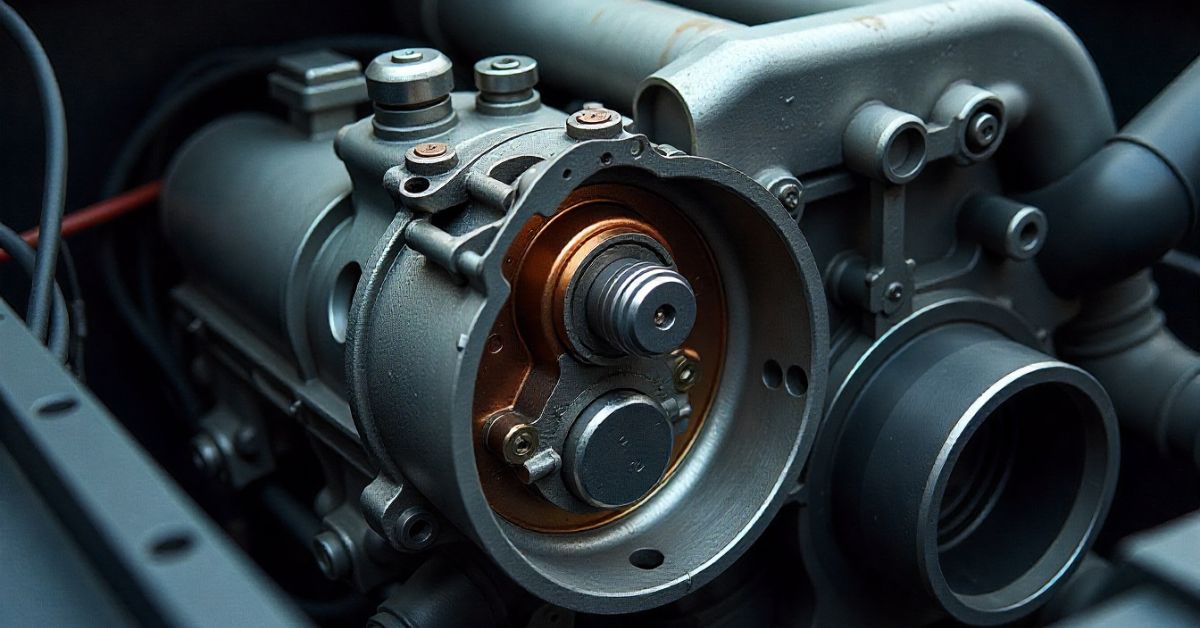
The engine oil temperature sensor is a crucial component in modern vehicles, responsible for monitoring the temperature of your engine oil and ensuring optimal engine performance. By providing real-time data to the engine control unit (ECU), it helps regulate fuel injection, engine timing, and overall efficiency. A malfunctioning sensor can lead to poor fuel economy, engine overheating, or even long-term damage. In this full guide, we’ll explore how the engine oil temperature sensor works, its common problems, how to test and replace it, and tips to keep it functioning effectively.
What Is an Engine Oil Temperature Sensor?
An engine oil temperature sensor is a small device that measures the temperature of your engine oil. It sends this data to the car’s engine control unit (ECU) to help maintain proper engine performance and prevent overheating.

The sensor usually works using a thermistor, which changes resistance based on oil temperature. A faulty sensor can cause poor fuel efficiency, engine warning lights, or even damage if not addressed.
How Engine Oil Temperature Sensor Works
The engine oil temperature sensor works by measuring the temperature of the engine oil and sending this information to the engine control unit (ECU). It usually uses a thermistor, a special type of resistor that changes its resistance based on temperature. As the oil heats up, the resistance changes, allowing the ECU to monitor real-time oil conditions.
Based on the sensor’s data, the ECU can adjust fuel injection, ignition timing, and other engine parameters to maintain optimal performance. This helps protect the engine from overheating, improves fuel efficiency, and ensures smooth operation under different driving conditions.
Bullet points in temperature sensor
The engine oil temperature sensor is essential for monitoring engine oil conditions. It measures oil temperature, sends real-time data to the ECU, and helps regulate fuel injection, ignition timing, and overall engine performance. Typically using a thermistor, it changes resistance with temperature to provide accurate readings. A properly functioning sensor prevents overheating and engine damage, while a faulty one can trigger warning lights, reduce fuel efficiency, and affect engine longevity.

- Measures engine oil temperature in real-time
- Sends data to the ECU for optimal performance
- Uses a thermistor that changes resistance with temperature
- Helps regulate fuel injection and ignition timing
- Prevents overheating and protects the engine
- Faulty sensor can cause warning lights or poor fuel efficiency
Common Symptoms of a Faulty Engine Oil Temperature Sensor
A faulty engine oil temperature sensor can affect engine performance and efficiency, causing warning lights, poor fuel economy, or overheating. The table below summarizes the key symptoms, their causes, and potential effects:
| Symptom | Cause | Potential Effect |
| Engine Warning Light / Check Engine Light | Sensor sends incorrect temperature readings to ECU | ECU triggers warning light; may limit engine performance |
| Poor Fuel Economy | ECU receives wrong data and adjusts fuel injection improperly | Increased fuel consumption and higher emissions |
| Engine Overheating | Sensor fails to detect rising oil temperature accurately | Engine may overheat, causing potential damage |
| Rough Idling / Hesitation | ECU cannot optimize engine timing due to faulty sensor input | Unstable engine performance or stalling |
| Erratic Oil Temperature Readings | Thermistor malfunctions or wiring issues | Inaccurate dashboard readings |
| Reduced Engine Efficiency | ECU adjusts performance incorrectly | Decreased acceleration, lower power output |
| Engine Damage Risk | Prolonged operation with wrong oil temperature readings | Premature wear of engine components |
Engine Oil Temperature Sensor Replacement Guide
Replacing a faulty engine oil temperature sensor is essential to maintain accurate engine monitoring and prevent damage. The sensor is usually located near the oil filter or on the engine block, depending on your vehicle model. Before starting, make sure the engine is cool, and disconnect the battery to avoid any electrical issues.

To replace the sensor, first disconnect the electrical connector and carefully remove the old sensor using the appropriate wrench. Install the new sensor by threading it in place and reconnect the electrical plug. After installation, start the engine and check for proper operation. Regularly inspecting and replacing a faulty sensor ensures optimal engine performance and longevity.
Tips for Engine Oil and Sensor Maintenance
Regularly check your engine oil level and use the recommended oil type to keep your engine running smoothly. Clean, high-quality oil helps the temperature sensor give accurate readings.
Also, inspect the sensor’s wiring and connections for damage. Replace the sensor if you notice warning lights or unusual temperature readings to protect your engine and improve efficiency.
Final Thoughts
The engine oil temperature sensor plays a vital role in keeping your engine safe and efficient.
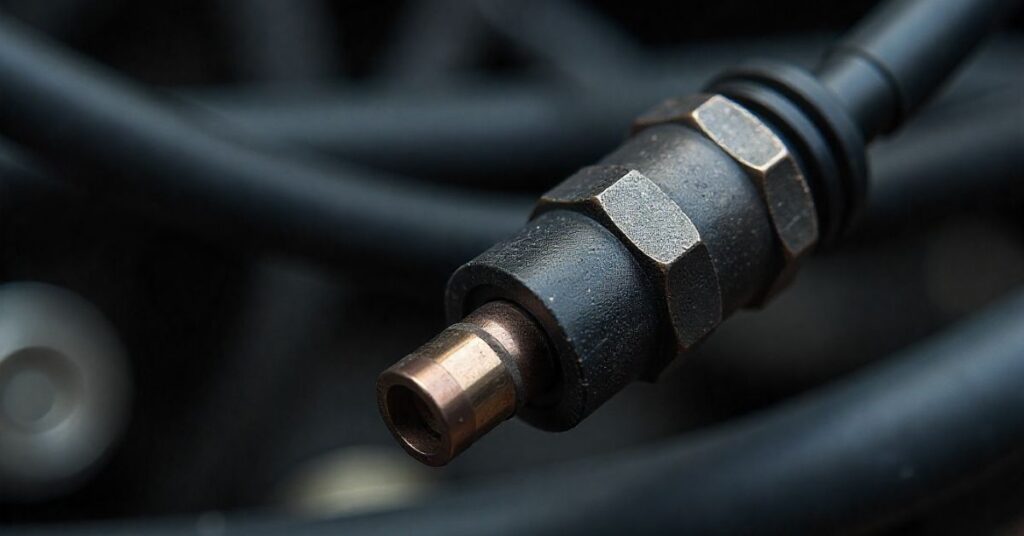
Regular checks, timely replacements, and proper engine oil maintenance ensure accurate readings and prevent potential damage. Paying attention to its performance can save you from costly repairs and keep your vehicle running smoothly for years.
Conclusion
The engine oil temperature sensor is essential for monitoring engine health and ensuring optimal performance. Keeping the sensor in good condition, along with regular oil maintenance, helps prevent engine damage, improve fuel efficiency, and maintain smooth vehicle operation. Regular inspections and timely replacements are key to a long-lasting, reliable engine.
FAQs
1. What does an engine oil temperature sensor do?
It monitors the engine oil temperature and sends data to the ECU for optimal engine performance.
2. How do I know if my oil temperature sensor is bad?
Common signs include warning lights, poor fuel economy, erratic oil temperature readings, or engine overheating.
3. Where is the engine oil temperature sensor located?
It’s usually near the oil filter or on the engine block, depending on the vehicle model.
4. Can I drive with a faulty engine oil temperature sensor?
It’s not recommended, as incorrect readings can cause engine damage or reduced performance.
5. How often should the engine oil temperature sensor be checked?
Inspect it during regular oil changes or if you notice unusual engine behavior or dashboard warnings.

Esha Ashfaq is an SEO expert and content writer. She writes clear, SEO-friendly content that boosts traffic and rankings.