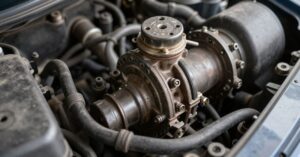
How Long to Let the Engine Cool Before Adding Oil?

Many drivers feel unsure about the correct time to add oil after shutting off a car. The engine may look calm, yet hidden heat can still cause problems. Knowing the right cooling time protects both you and the engine.
This guide explains the topic in very easy words. It helps drivers understand safety, accuracy, and proper care without confusion or risk.
Why Engine Temperature Matters Before Oil Check
Engine heat changes how oil behaves inside the system. When parts stay hot, oil spreads across surfaces and drains slowly. This situation often leads to wrong oil readings.

Cooling allows oil to flow back into the oil pan. Once oil settles, the dipstick shows the correct level and prevents filling mistakes.
Ideal Cooling Time for Most Vehicles
Most cars only need a short waiting period before oil checking. In normal driving conditions, waiting about 10 to 15 minutes works well and keeps things safe.
This time reduces extreme heat while keeping oil thin enough to move easily. The result is a balanced and accurate oil level check.
What Happens If You Add Oil Too Soon
Adding oil to a very hot engine can cause serious burns. Hot metal parts and pressure may lead to oil splashing or sudden spills.
Oil poured too soon may not settle properly. This often causes false readings and can harm the engine later.
Checking Oil in a Warm vs Cold Engine
A warm engine helps oil drain faster after shutdown. After a short rest, oil returns to the pan smoothly and gives a reliable reading.
A cold engine keeps oil thicker and slower. While safe, the reading may look lower than normal, which can confuse drivers.
Safety Reasons to Let the Engine Cool
High engine heat can burn skin within seconds. Even nearby parts may feel safe but still cause injury.

Cooling lowers pressure and protects engine seals. This simple habit prevents accidents and mechanical damage.
Effects of Driving Conditions on Cooling Time
City driving creates more heat due to frequent stops. After traffic-heavy trips, a longer wait improves oil accuracy.
Highway driving allows airflow to cool the engine faster. In such cases, a shorter waiting period usually works fine.
Common Mistakes Drivers Make
Many drivers check oil immediately after parking. This rush often leads to incorrect oil levels.
Some drivers add extra oil based on a false low reading. Overfilling causes leaks, pressure issues, and reduced performance.
Engine Cooling Time Comparison Table
Different driving styles affect how long an engine needs to cool. This table helps choose the correct waiting time easily.
Using this guide reduces guesswork and supports proper engine care.
| Driving Situation | Engine Heat Level | Recommended Wait Time | Oil Check Accuracy |
| Short city drive | Medium | 10 minutes | High |
| Heavy traffic driving | High | 15–20 minutes | Very High |
| Long highway trip | Medium | 8–10 minutes | High |
| Mountain or towing drive | Very High | 20 minutes | Very High |
| Cold weather startup | Low | 5 minutes | Moderate |
How Long to Let the Engine Cool Before Adding Oil? Safely
Experts recommend patience for better engine health. Waiting allows oil to fully return to the pan and stay balanced.
This habit also lowers injury risk and keeps oil levels correct for smooth operation.
Step-by-Step Oil Adding Process
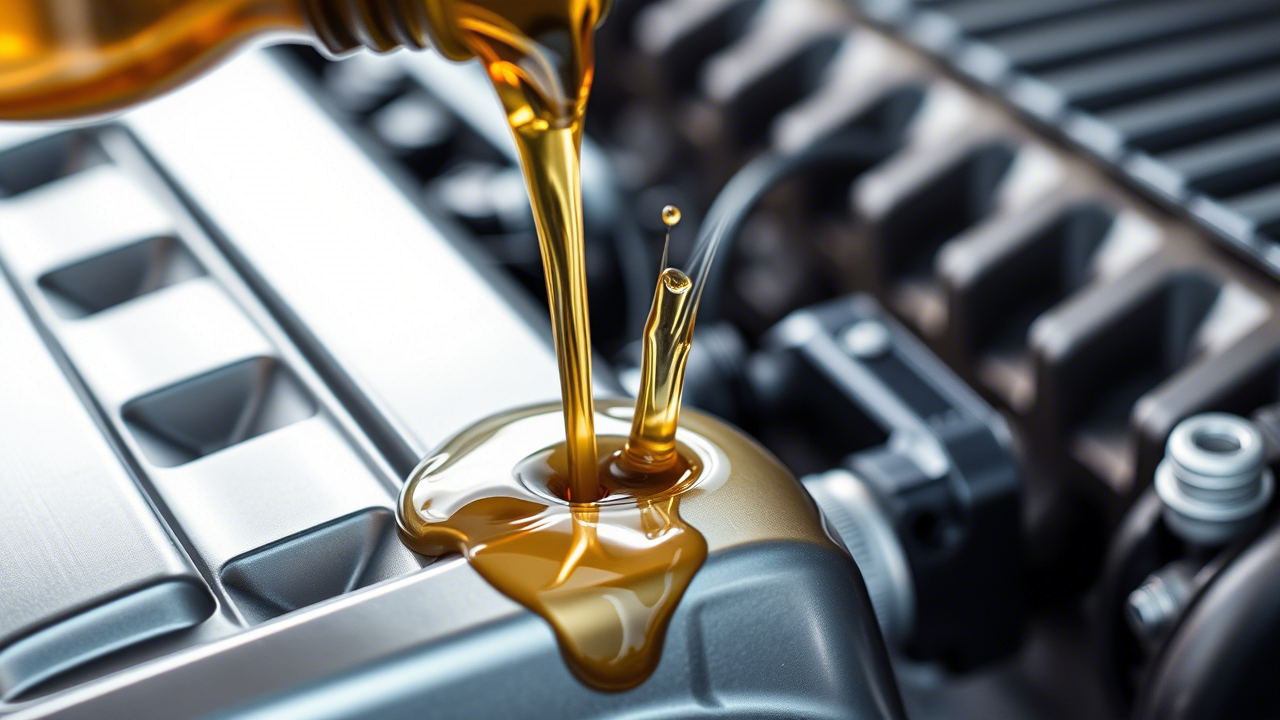
Park the car on level ground and turn off the engine. Allow enough cooling time before opening the hood.

Check the dipstick, add oil slowly, and recheck the level. This careful method prevents overfilling.
How Weather Changes Cooling Time
Hot weather keeps engines warm for longer periods. Extra waiting time improves oil settling during summer.
Cold weather cools engines faster but thickens oil. A brief warm-up can improve accuracy.
Role of Engine Size and Design
Large engines hold more heat and oil. These engines usually need extra cooling time.
Smaller engines cool faster but still need a short wait. Skipping this step can still cause errors.
Manufacturer Recommendations Matter
Each vehicle follows a unique design. Car manuals explain the best time for oil checking.
Following these guidelines improves accuracy and protects warranty coverage.
Can You Add Oil Immediately in Emergencies
In rare emergencies, oil addition may happen sooner. Even then, waiting a few minutes improves safety.
Adding oil slowly reduces splashing and uneven filling during urgent situations.
Long-Term Benefits of Proper Cooling
Correct cooling habits reduce internal wear. Balanced oil lowers friction and heat damage.
This practice improves fuel efficiency and extends engine life over time.
Myths About Engine Cooling and Oil
Some people believe oil should only be added when cold. This belief ignores practical driving needs.
Others think heat improves oil flow instantly. In reality, partial cooling works best.
Signs You Waited the Right Amount
A stable dipstick reading shows oil settled correctly. The engine bay feels warm, not dangerously hot.

No smoke or oil splash appears during filling. These signs confirm proper timing.
Final Thoughts on Engine Cooling Before Oil
Knowing how long to let the engine cool before adding oil helps drivers avoid errors and injuries. Simple waiting habits protect engine health.
With patience and care, oil checks become easy and reliable for daily driving.
Conclusion
Understanding how long to let the engine cool before adding oil removes doubt from car maintenance. Cooling time keeps both driver and engine safe.
Follow simple steps, avoid rushing, and enjoy better engine performance for years to come.
FAQs
1. Why is it important to let the engine cool before adding oil?
Cooling allows oil to settle properly and prevents burns or spills.
2. Can I add oil when the engine is still warm?
Yes, a slightly warm engine is safe, but it should not be very hot.
3. How long should the engine cool before adding oil safely?
Waiting about 10 to 15 minutes gives safer and more accurate results.
4. Does adding oil too soon cause problems?
Yes, it can lead to incorrect oil levels and safety risks.
5. Is it okay to add oil when the engine is cold?
Yes, it is safe, but oil may appear thicker during checks.
Esha Ashfaq is an SEO expert and content writer. She writes clear, SEO-friendly content that boosts traffic and rankings.