Is Engine Oil Flammable vs Prestone Coolant
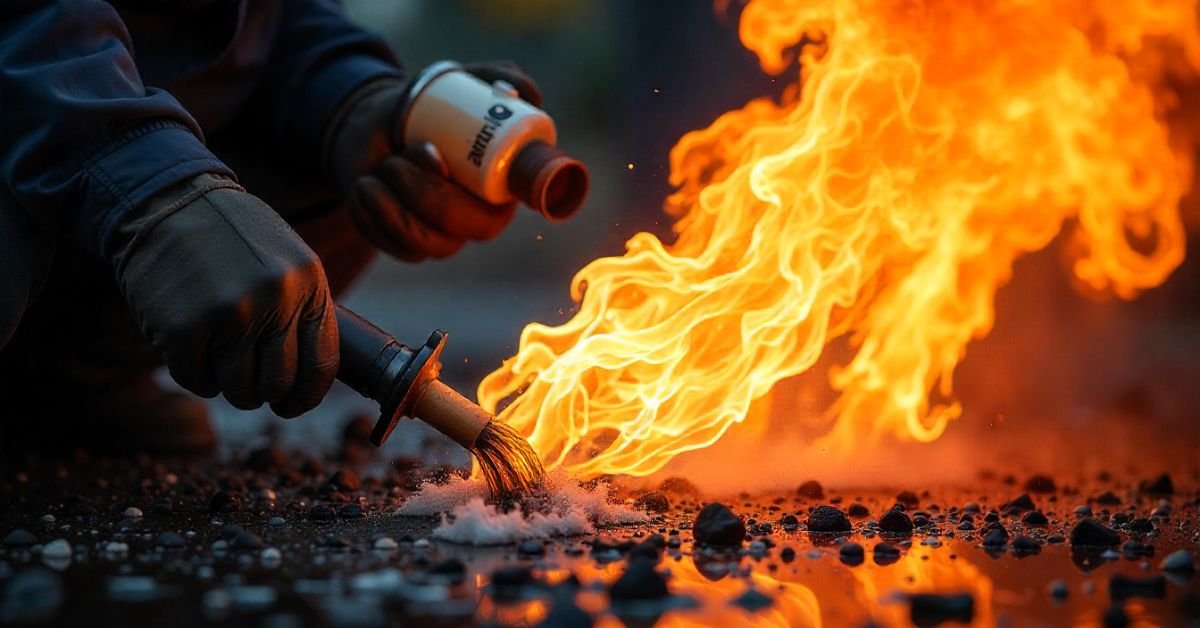
Every vehicle runs smoothly because of two key fluids: engine oil and coolant. Both keep your engine healthy, but they react differently to heat. Many people often wonder, is engine oil flammable while coolant is not?
This article clears that doubt using simple terms, clear examples, and facts that help you stay safe and protect your car.
Engine oil reduces friction and wear, while coolant controls heat and prevents overheating. Together, they make sure your engine runs efficiently.
But when leaks, poor maintenance, or high temperatures occur, the balance breaks and that’s when risks arise.
What Does “Is Engine Oil Flammable” Really Mean?
The term “flammable” refers to how easily something can catch fire. Engine oil, though made from petroleum, doesn’t burst into flames easily. It only becomes risky when exposed to extreme heat or open flames.

Under normal conditions, oil flows safely through your engine. It doesn’t reach the high temperatures required to ignite. However, if it leaks onto very hot parts such as the exhaust manifold or turbocharger it may start to smoke and eventually burn.
Quick Facts:
- Oil resists ignition until it reaches 200°C–250°C (392°F–482°F).
- Normal engine heat usually stays between 90°C–105°C.
- Regular maintenance prevents most fire-related oil issues.
Why Engine Oil Is Combustible But Not Highly Flammable
The difference between combustible and flammable matters. A combustible liquid burns only at higher temperatures, while a flammable one catches fire at lower heat. Engine oil sits in the combustible category.
That means it can burn but not easily. It must vaporize before ignition occurs, and that happens only under severe heat or mechanical failure. For instance, a broken seal or spill can expose the oil to open air and make it more vulnerable.
Maintaining your car properly ensures that the oil stays where it should inside the engine, lubricating, not burning.
Understanding Prestone Coolant and Its Safety Role
Prestone Coolant (or antifreeze) is different from oil. It’s designed to control engine temperature, not to lubricate parts. This fluid travels through the radiator and engine block, absorbing and releasing heat efficiently.

Unlike oil, coolant has non-flammable properties. It doesn’t ignite because it contains ethylene glycol or propylene glycol, substances that resist combustion. Even at boiling temperatures, coolant will bubble and evaporate before it ever catches fire.
Coolant’s job is simply to keep your engine from freezing in winter and overheating in summer. It’s a heat protector, not a fire hazard.
Engine Oil vs Coolant: Detailed Comparison Table
Here’s a long and clear comparison table showing how both fluids differ in function, safety, and performance:
| Feature | Engine Oil | Prestone Coolant |
| Main Purpose | Lubricates and protects engine parts | Regulates temperature and prevents overheating |
| Composition | Petroleum-based, with additives | Ethylene glycol or propylene glycol with corrosion inhibitors |
| Flammability | Combustible under high heat | Non-flammable |
| Flash Point | Around 200°C–250°C (392°F–482°F) | Above 111°C (rarely ignites) |
| Risk When Leaked | Can smoke or ignite on hot surfaces | Causes overheating, not fire |
| Color & Texture | Amber to dark brown, oily texture | Bright green, orange, or pink, watery texture |
| Change Interval | Every 3,000–5,000 miles | Every 2–5 years depending on use |
| Fire Hazard Level | Moderate if misused | Extremely low |
| Maintenance Concern | Oil leaks, poor lubrication | Low coolant levels, overheating |
| Environmental Impact | Pollutes soil and water if spilled | Toxic to pets if ingested, but non-combustible |
This table clearly shows that while both fluids are essential, only engine oil poses a mild fire risk. Coolant remains stable and safe, even under pressure.
Common Causes of Oil Fires in Engines
Even though oil is relatively stable, certain conditions can cause it to ignite:

- Leaks dripping onto hot engine surfaces
- Improper cleaning after an oil change
- Low-quality oil breaking down faster at heat
When oil escapes its closed system, it becomes a danger. Small drops on red-hot metal can create smoke or small flames. That’s why routine inspection and cleaning are crucial.
Safety Bullet Points:
- Always tighten your oil filter properly.
- Clean spilled oil immediately after servicing.
- Avoid overfilling the oil tank.
These small steps reduce risks and keep your vehicle safe.
Recognizing Early Warning Signs
Your car gives clear hints before a problem turns dangerous. Watch for these early indicators:
1. Burnt Smell: A sharp, smoky odor means oil is contacting a hot surface.
2. Blue Smoke: Exhaust smoke may signal oil burning inside the engine.
3. Oil Spots: Visible leaks under the car point to seal or gasket failure.
When these symptoms appear, don’t ignore them. Quick action can prevent larger, more expensive damage later.
Storage and Handling Precautions
Proper storage of fluids protects both your garage and your vehicle. Engine oil must be stored in cool, dry areas away from direct sunlight or heat sources. Even though it’s not highly flammable, careless storage can lead to accidents.
Keep coolant tightly sealed to prevent contamination. If spilled, it can be harmful to pets and the environment. Dispose of both fluids according to your local waste guidelines never pour them into drains or soil.
What Happens When Coolant and Oil Mix
Mixing these two fluids is a sign of serious engine trouble. When oil and coolant blend, it creates a thick, milky substance that ruins both fluids. This mixture can cause:
- Loss of cooling ability
- Poor lubrication
- Potential engine damage
If you see milky oil on the dipstick or under the cap, get your vehicle checked immediately. It often points to a blown head gasket or cracked engine block.
Safety Tips for Everyday Drivers
You don’t need to be a mechanic to keep your car safe. Follow these easy habits:
- Inspect your engine bay monthly for leaks.
- Use only recommended brands of oil and coolant.
- Never open a hot radiator cap to let it cool first.
- Keep a Class B fire extinguisher in your vehicle for emergencies.
These simple habits prevent 90% of fluid-related issues.
Myths and Facts About Engine Oil and Coolant
There are many misunderstandings about vehicle fluids. Let’s clear them up:
- Myth: Oil burns easily like gasoline.
Fact: Oil only burns at very high heat, not under normal conditions. - Myth: Coolant can catch fire if overheated.
Fact: Coolant evaporates before reaching ignition temperature. - Myth: Mixing coolant types is harmless.
Fact: Mixing can cause deposits and clogging. Always use one type.
Understanding these facts keeps your maintenance routine simple and safe.
How to Handle Oil or Coolant Leaks
If you notice leakage:
- Turn off the engine immediately.
- Wipe any visible oil or coolant and avoid driving.
- Tow the car to a service station if necessary.

Never ignore leaks, small drips can grow into dangerous issues fast.
Expert Maintenance Advice
Professional mechanics often recommend:
- Replacing engine oil every 3,000–5,000 miles depending on vehicle use.
- Flushing the coolant system every 24–36 months.
- Using high-quality Prestone coolant for better heat control.
Regular servicing ensures your fluids perform perfectly and safely.
Conclusion
So, to answer the question, engine oil is flammable, yes but only under extreme conditions. It’s a combustible liquid, not a flammable one. Prestone Coolant, on the other hand, is completely non-flammable and safe to use even in tough conditions.
Both fluids have unique purposes: oil keeps the engine parts moving, and coolant manages the heat. Understanding their roles and maintaining them correctly ensures your engine stays safe, efficient, and long-lasting.
FAQs
1. Can engine oil catch fire easily?
No, it only burns at very high temperatures above 200°C.
2. What should I do if engine oil starts to smoke?
Stop the car, let it cool, and check for leaks immediately.
3. Is Prestone Coolant flammable like engine oil?
No, Prestone Coolant is completely non-flammable and safe.
4. Can a car fire start from leaking oil?
Yes, leaking oil on hot parts can cause small engine fires.
5. How can I safely store engine oil and coolant?
Keep both fluids sealed, cool, and away from direct heat.